

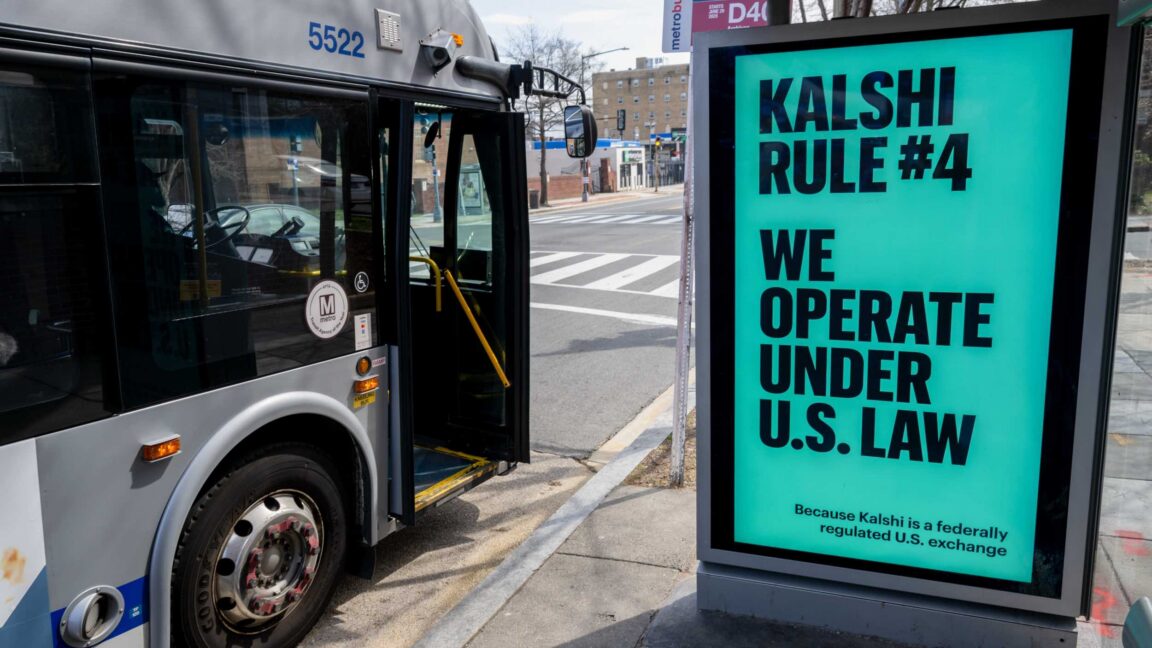
“Kalshi’s contracts fall within the CFTC’s exclusive jurisdiction,” Kalshi told the Sixth Circuit. The CFTC backed Kalshi in an amicus brief and has separately sued nine states in lawsuits that allege the states are infringing on the CFTC’s exclusive jurisdiction.
States have two major wins over Kalshi
The Sixth Circuit was the third federal appeals court to rule on whether states can regulate gambling on Kalshi. There was already a circuit split, as Kalshi scored a victory in a Third Circuit ruling involving New Jersey and lost a Ninth Circuit case involving Nevada.
State governments now have two major victories to Kalshi’s one, and a Fourth Circuit case involving Maryland is still pending. New Jersey recently asked the Supreme Court to settle the matter for the whole country.
Under US law, swaps include contracts that are dependent on events “associated with a potential financial, economic, or commercial consequence.” Whether a sporting event has such a consequence is one of the key questions courts have been trying to answer.
The Sixth Circuit judges decided that “for an ‘event’ to be ‘associated with a potential financial, economic, or commercial consequence,’ the event must be intrinsically associated with a financial consequence such that we can reasonably understand why hedging financial risk or ascertaining pricing information for the occurrence of that event would be desired and beneficial (e.g., a change in interest rates).”
Kalshi’s sports-event contracts are not swaps because, unlike “contracts based on financial values or instruments (e.g., interest rates or stock prices), Kalshi’s sports-event contracts have only downstream economic consequences, assuming they have the potential to cause economic consequences at all,” the court said.


Leave a Reply