

In any case, apparently enough of the structural data was right for the training to work.
Functional proteins
To test Pinal, the researchers asked it to design four very different proteins: a fluorescent one, two enzymes, and one that takes part in a large multi-protein complex. While the details vary a bit from case to case, there was a similar process for each; we’ll use the fluorescent protein as an example.
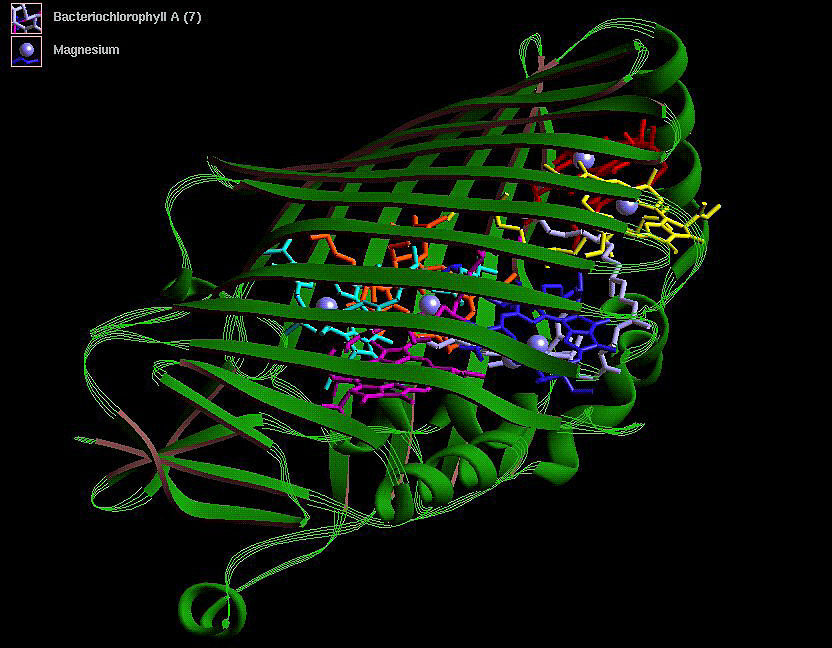
The classic example of a fluorescent protein, which won its discoverer a Nobel, is GFP, the green fluorescent protein. Pinal was asked to produce 50,000 proteins that could fluoresce like GFP. This massive list was then filtered down by a number of criteria. For starters, the researchers rejected anything with a sequence that looked like a known fluorescent protein. But they selected for a couple of key features found in GFP: the ability to form a barrel-like structure, and the presence of a key amino acid that can be chemically modified to enable fluorescence.
In short, they wanted it to be a bit like GFP in general, but not very similar in terms of the specific amino acid sequence. That filtering left them with a high-priority list of just 29 candidate proteins, all of which were made in E. coli. A grand total of one of them fluoresced.
All of the other examples were done similarly: start with a massive list, narrow it down computationally, then test a few dozen designs, of which only a few would work.
It would be tempting to dismiss this as a horrifically low success rate. But remember that a lot of the suggestions that were most likely to work would look a lot like known GFP proteins, and so be weeded out. The researchers also didn’t even bother to test whether things that didn’t form a structure similar to GFP might work, so they may have rejected a huge range of alternative fluorescent proteins based on that.


Leave a Reply