

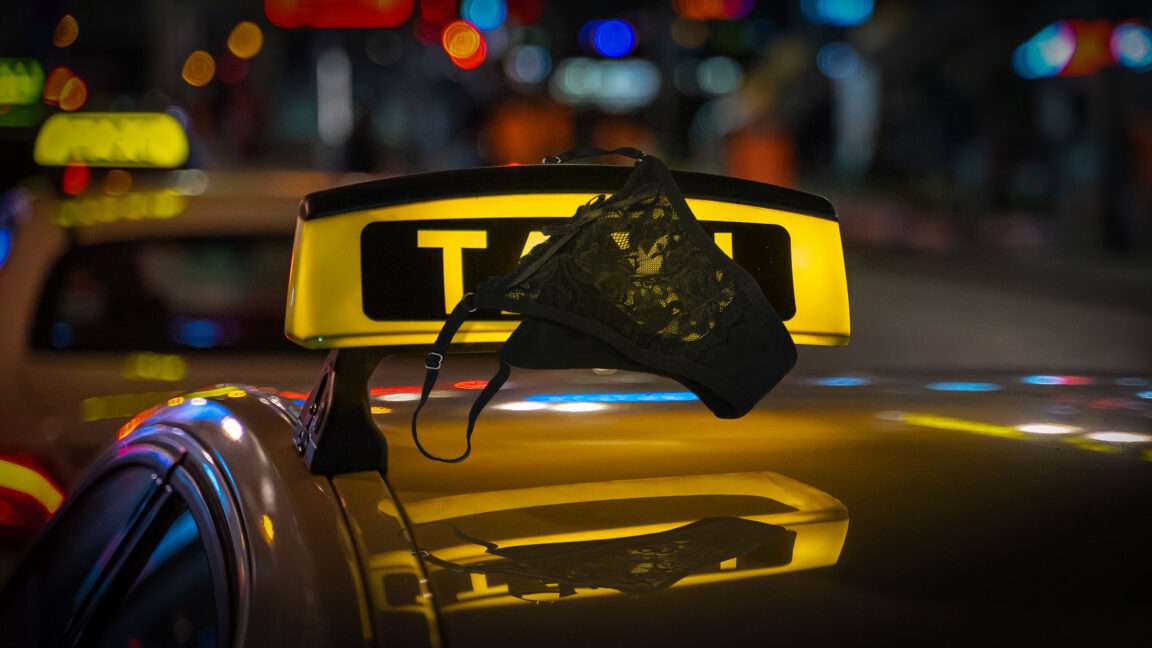
“You may be driving by yourself, but that’s not your classic private environment,” Rouchitsas said.
Rouchitsas said there are two prevalent use cases. The first is the content creator. “So you have OnlyFans, you have Pornhub, you have a very mature adult industry in the US. So opportunistic content creators that might perceive this Waymo or public shuttles as studios: very cheap, providing good lighting, soundproof—kind of,” Rouchitsas said. The other is tourists, who might not know local customs. “I come from Greece, and I also come from an island, so I know what tourist debauchery looks like, what young people tend to do when they’re given context-wise the chance to do so,” Rouchitsas said.
Cultural differences are also a concern, particularly with tourists visiting countries with much less permissive societies than the one they are used to. “The important thing is that in the US, someone might take offense. In Sweden, someone might take offense. In other countries, someone might take offense and want to take further action, not stop at offense,” Rouchitsas said. “We had a visit at a design studio that specializes in [autonomous vehicles], and there are many brands that operate in the Middle East right now. So there are many brands that operate in Asia, in China. We’re talking about countries that have completely different legal frameworks,” he said.
Depending on the country, you might not even have the entire robotaxi to yourself. “One of our colleagues mentioned that in India, you don’t actually book the whole car. So you book a seat, which means that you might end up, even in the context of a Waymo ride, to be with strangers,” Rouchitsas said.


Leave a Reply